









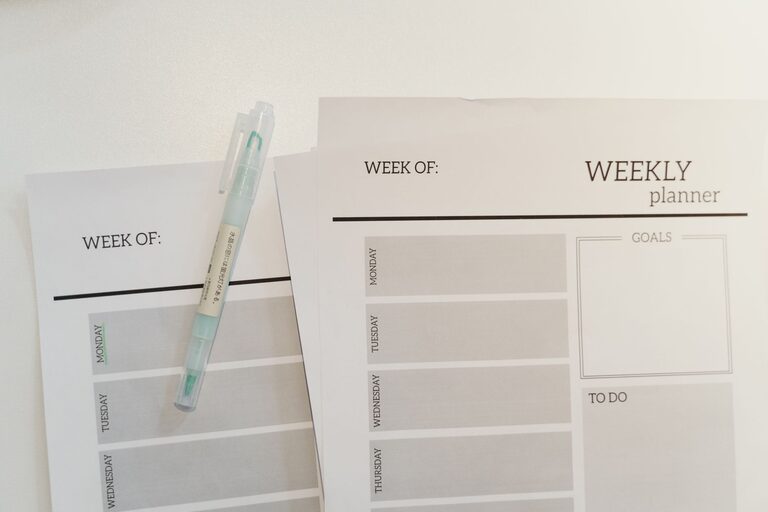
Setting realistic weekly goals is an effective way to boost your productivity and maintain steady progress toward your larger objectives. When goals are clear and achievable, you create a sense of accomplishment that fuels motivation and helps prevent burnout. This guide will walk you through practical steps to set weekly goals that work for you, whether you’re managing work projects, personal growth, or daily habits.
Why Set Weekly Goals?
Weekly goals serve as manageable checkpoints between your daily tasks and long-term ambitions. They help you:
– Focus your efforts on what matters most
– Track your progress regularly
– Adjust your plans quickly when needed
– Build momentum through small wins
By breaking down bigger goals into weekly steps, you maintain clarity and reduce the overwhelming feeling that often comes with large projects.
Step 1: Reflect on Your Long-Term Goals
Before setting weekly goals, it’s essential to understand your bigger picture. Ask yourself:
– What are my main objectives this year or quarter?
– Which areas of my life or work need attention right now?
– How much time can I realistically dedicate each week?
Reviewing your long-term goals helps you prioritize weekly tasks that align with your priorities.
Step 2: Assess Your Current Workload and Time
Be honest about the time and energy you have available. Consider:
– Your work hours and personal commitments
– Upcoming events or deadlines that might affect your schedule
– How much time you need for rest and self-care
Knowing your limits prevents setting goals that are too ambitious.
Step 3: Choose Specific and Measurable Goals
Effective goals are clear and measurable. Avoid vague objectives like “exercise more” or “work on project.” Instead, define:
– What exactly you will do (e.g., “go to the gym three times”)
– How much or how often (e.g., “write 1,000 words for the report”)
– When you plan to complete each task during the week
This clarity helps you track progress and stay accountable.
Step 4: Prioritize Your Goals
Identify your most important goals and focus on those first. You can use methods like:
– The Eisenhower Matrix to categorize tasks by urgency and importance
– The Pareto Principle (80/20 rule) to concentrate on tasks that deliver the most value
Limit yourself to 3-5 weekly goals to prevent overload and ensure quality results.
Step 5: Break Goals Into Smaller Tasks
Large goals can be intimidating. Split them into smaller, actionable steps. For example:
– Instead of “launch website,” break it down into “choose a domain name,” “design homepage,” and “set up hosting”
– Instead of “read a book,” plan “read one chapter per day”
This approach makes progress visible and easier to manage.
Step 6: Schedule Your Goals
Put your goals into your calendar or planner. Assign specific days and times for each task to create a realistic plan. Scheduling helps:
– Prevent procrastination
– Ensure balanced workload throughout the week
– Incorporate flexibility for unexpected events
Step 7: Review and Adjust Weekly
At the end of each week, set aside time to review your progress:
– Which goals did you complete? Celebrate these wins.
– Which goals were missed or delayed? Understand why.
– What changes can you make to improve next week’s planning?
This reflection builds awareness and helps you refine your goal-setting process.
Tips for Staying on Track
– Use a goal tracker or app: Tools like Trello or Todoist can keep your goals organized.
– Stay flexible: Life happens, so be ready to adjust goals when needed.
– Seek support: Share goals with a friend or coworker for encouragement.
– Avoid multitasking: Focus on one goal or task at a time to maintain quality.
– Practice self-compassion: Not every week will be perfect; progress is what counts.
Sample Weekly Goal Plan
| Goal | Task Breakdown | Scheduled Day(s) |
|——————————-|———————————–|———————-|
| Write blog post | Research (Mon), Draft (Wed), Edit (Fri) | Monday, Wednesday, Friday |
| Exercise 3 times | Gym sessions on Tue, Thu, Sat | Tuesday, Thursday, Saturday |
| Organize workspace | Declutter drawers (Wed), File papers (Thu) | Wednesday, Thursday |
| Read one book | Read 20 pages daily | Daily |
Conclusion
Setting realistic weekly goals is a skill that can transform how you approach your time and tasks. By aligning goals with your priorities, assessing your capacity, and breaking objectives into actionable steps, you set yourself up for consistent progress without feeling overwhelmed. Remember to review and adjust your goals regularly — this flexibility is key to sustainable success.
Give these steps a try this week and watch how manageable, meaningful goals help you move forward with confidence!